
About
Meet Stacey Stefanski, LPC
Licensed Professional Counselor. Online therapy for Missouri residents.
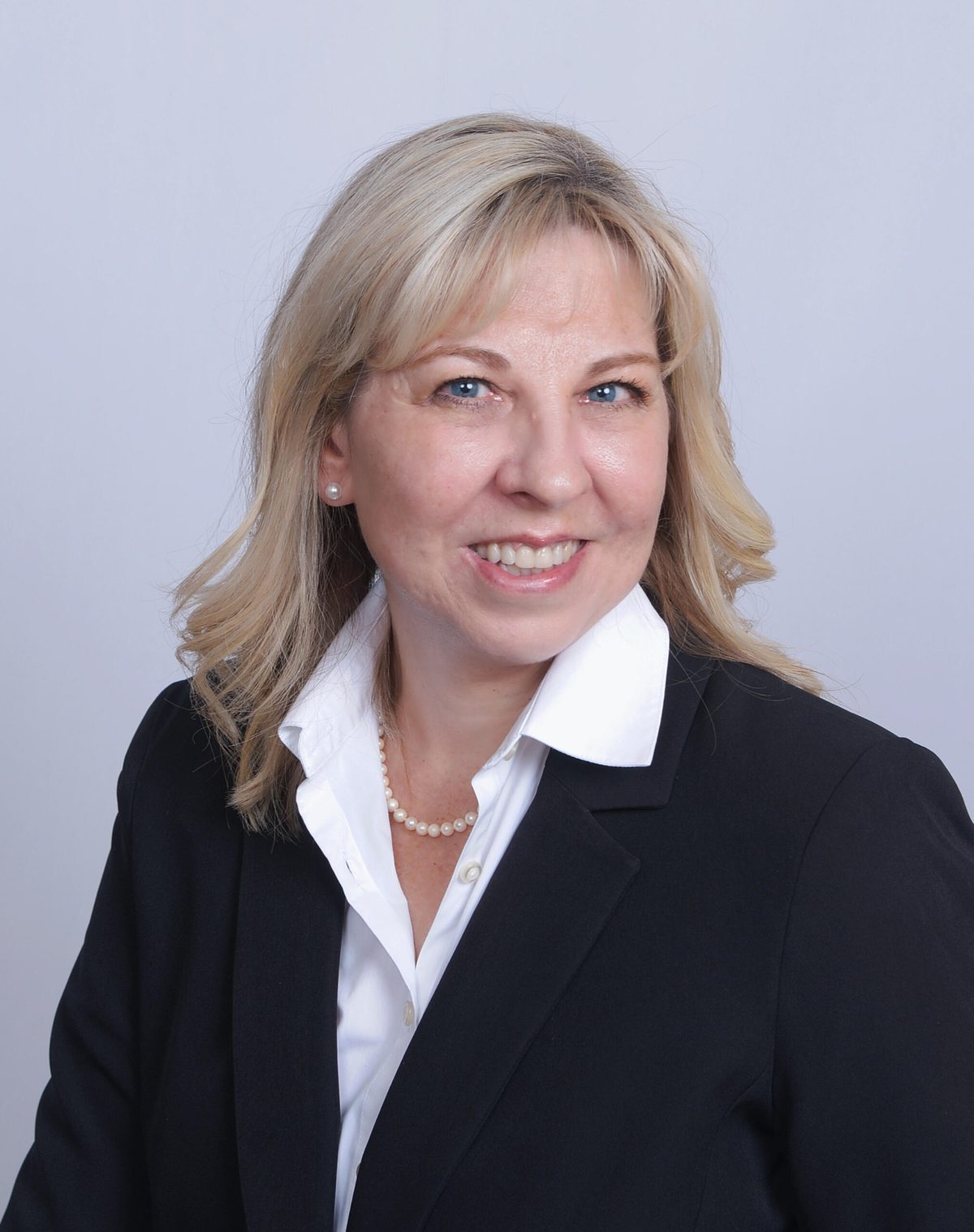
In session
What it’s actually like to work with me
My therapeutic style is warm, collaborative and grounded in genuine human connection. I aim to create a space where clients feel safe enough to be honest, vulnerable and fully themselves - without form of judgement.
I incorporate faith and spirituality if desired.
I approach clients with empathy, curiosity and respect. I desire that clients feel heard, understood and validated. I also try to provide gentle challenges.
Humor has a place in my work. I feel laughter is good medicine.
I’ll challenge you when I think you’re being harder on yourself than the facts support. I’ll say so plainly when something you’ve described sounds like it hurt, even if you told it to me like it was nothing. And there’s room for humor here — hard conversations don’t have to be joyless ones, and a well-placed laugh can do more than a well-placed insight.
What stays consistent, session to session, is that this is your hour. I bring structure and honesty. You bring whatever you actually have that day — not what you think you’re supposed to bring.
How I work
My approach
I take a client-centered, trauma-informed approach to therapy. I believe you are the expert in your own life — my role is to provide a supportive relationship that helps you gain insight, learn new skills and feel empowered to make your own choices. I draw on a variety of therapeutic modalities in my work, including dialectical behavior therapy, cognitive behavioral therapy and exposure therapy.
Dialectical Behavior Therapy
We work on holding two things at once — accepting where you are right now while still building the skills to change. In session, that looks like practical tools for managing intense emotions, tolerating distress and navigating relationships more effectively.
Cognitive Behavioral Therapy
We look at the connections between what you think, how you feel and what you do, and find the patterns that keep you stuck. From there, we build more workable ways of responding.
Exposure Therapy
When avoidance is running the show, we work together to gradually and safely face what you’ve been avoiding, at a pace you can handle, so it loses its grip over time.
Why I do this
Why I became a therapist
I became a therapist because I enjoy working with people, and I have great compassion for them. I find people fascinating, and it’s a privilege to come alongside them and support them as they share their griefs and their joys along life’s journey.
Credentials
Training and licensure
- Education — TODO
- License & number — TODO
- Certifications — TODO
- Professional memberships — TODO
- Years in practice — TODO
- Continuing education focus — TODO
Honest fit
I am probably not the right fit if:
Being upfront about this isn’t a formality. Knowing quickly that I’m not the right person saves you time, and it’s a better outcome than starting somewhere that can’t actually help.
- You’re under 18. I work with adults. If you’re looking for care for a minor, a child and adolescent specialist will be a better fit — ask your pediatrician for a referral.
- You live outside Missouri. Licensing law requires you to be physically located in a state where I’m licensed during our sessions. Psychology Today’s directory lets you filter by state if you’re elsewhere.
- You’re in the middle of a mental health crisis right now. Scheduled weekly sessions aren’t built for an emergency. If you’re in danger right now, call or text 988, or go to your nearest emergency room. See crisis resources.
- You’re experiencing active psychosis or a severe episode that needs a higher level of care. Weekly outpatient therapy isn’t equipped for this. An intensive outpatient program or inpatient care is the safer starting point.
- You need a court-ordered evaluation or custody-related assessment. That’s a specialized, separate credential from general therapy practice. A forensic evaluator is who you want.
- You need medication management. I don’t prescribe. A psychiatrist or psychiatric nurse practitioner handles medication, and I’m glad to work alongside one if you already have that piece in place.
- You’re looking for couples or family therapy. My practice is individual therapy. If the pattern you want to work on mostly plays out in a relationship, a couples-trained therapist will serve you better than I would.
- You want a therapist who mainly listens and reflects back. I ask questions and provide gentle challenges when it’s useful. If that style doesn’t sound like a fit, that’s worth knowing before you book, not during session three.
If you are struggling: reaching out for support can be one, small courageous step toward feeling more like yourself again.
Life can be tough, but you don't have to go it alone. Help is available.